
An electrical substation sits just outside the city limits. Chain-link fence, barbed wire, a few cameras perched on poles. On paper, the site looks secure.
But history says otherwise. Copper thefts have shut down power for entire neighborhoods. Vandals have cost utilities millions in repairs and downtime. And in nearly every case, the cameras only provided evidence after the damage was done.
Late one night, a trespasser slips through a cut fence. He’s expecting time: time to move around, pick his targets, and leave before anyone notices. Then, before he takes ten steps, a voice rings out:
"You in the blue jacket. This is a restricted facility. Security has been notified."
He freezes. He thought he had minutes. Suddenly he has none. He turns and leaves immediately.
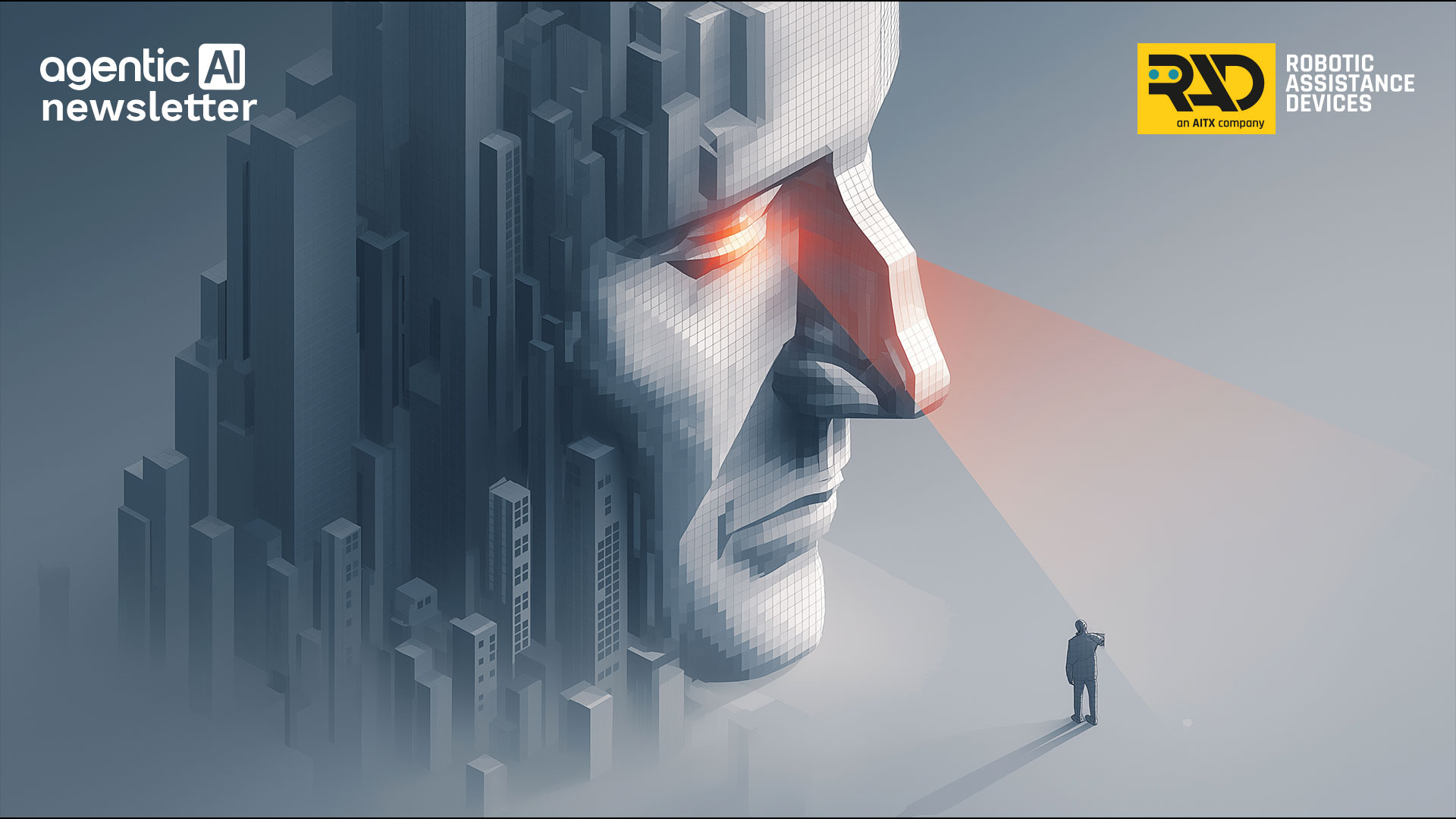
That’s deterrence. Not from a warning sign. Not from a static camera. But from an autonomous system that spoke up in real time.
The Illusion of Time
Most offenders rely on one assumption: no one sees me yet. Surveillance cameras reinforce this belief. They watch silently, offering no sign that anyone is paying attention. The psychology is simple: if no one reacts instantly, the risk feels low.
Agentic AI changes that script. It doesn’t just watch. It speaks, escalates, and acts in the moment. For the trespasser, the illusion of time is shattered. The belief in invisibility vanishes. What felt like low risk now feels like imminent arrest.
Why Real-Time Response Works
Criminology has a name for this: routine activity theory. Crime occurs when three things line up: opportunity, motivation, and absence of a capable guardian.
Traditional cameras don’t qualify as guardians. They’re forensic tools, not deterrents. Even flashing lights or posted signs rarely move the needle. Criminals who’ve seen enough sites know they’re unlikely to be interrupted in the moment.
Agentic AI changes the equation by becoming the missing guardian. It doesn’t leave offenders wondering whether they’ve been noticed. It makes it unmistakably clear. And the earlier that realization hits, the faster deterrence works.
Behavioral studies show that deterrence is most effective in the first seconds of an encounter. A delayed warning feels hollow. A real-time warning feels personal and urgent.
How Agentic AI Creates Deterrence
- Natural Language Response: Unlike prerecorded loops, Agentic AI speaks in real time, with natural cadence and specificity. “You in the blue jacket” lands very differently than “This area is under surveillance.”
- Parallel Escalation: While the trespasser is warned, notifications are already reaching site managers, security teams, and law enforcement. The offender doesn’t just hear a voice. They know the system is escalating.
- Consistency: Agentic AI doesn’t miss alerts, doesn’t get distracted, and doesn’t hesitate. The deterrent is delivered every time, instantly, without relying on operator availability.
Together, these elements change behavior. Intruders go from feeling unseen to being identified. They stop, retreat, or abandon the attempt entirely.
Case in Point: Substations and Equipment Yards
- Substations: Copper theft remains one of the most expensive crimes for utilities. Traditional deterrents can’t stop it. With Agentic AI, a trespasser is identified and engaged before they reach critical equipment. The window for action disappears.
- Equipment Yards: Construction firms often lose thousands to vandalism and theft of tools or fuel. Trespassers expect an empty yard. A live voice-down and flashing deterrents immediately flip the calculation. What looked like easy access becomes an obvious risk.
- Remote Sites: Rural yards and facilities rarely justify guard posts. With Agentic AI, every camera becomes its own operator, capable of speaking, escalating, and documenting in real time, at a fraction of the cost of human coverage.
From Fear to Trust
Deterrence works on two levels.
For intruders, it triggers fear, uncertainty, and retreat. The moment they know they’ve been seen and called out, most choose to leave rather than risk escalation.
For organizations, deterrence builds trust. Security directors know the system isn’t just watching, it’s acting. Staff gain confidence that their sites are actively protected. Insurers see lower claims. Boards see reduced liability.
That’s deterrence as value creation, not just incident prevention.
Why Timing Is Everything
The difference between prevention and prosecution is often measured in minutes. In a traditional security operations center, incidents can sit in queues while operators juggle multiple feeds. That delay allows crimes to unfold.
Agentic AI eliminates that delay. Detection leads directly to action, without pause, without manual review. And because it responds in parallel, the system doesn’t have to choose between issuing a warning, notifying management, or escalating to police. It does all three at once.
This timing doesn’t just change outcomes. It changes offender behavior before the incident becomes an incident.
Closing: This Isn’t Future. It’s Now.
Agentic AI deterrence isn’t a concept on a whiteboard. It’s live today.
SARA (Speaking Autonomous Responsive Agent) is already deployed at sites where deterrence matters most. When a trespasser approaches a yard or substation, SARA doesn’t wait for an operator. She verifies the intrusion, issues a live voice-down, notifies security teams, and begins the incident record automatically.
In many cases, that voice alone is enough. Offenders stop, retreat, and the incident ends before it begins.
Static cameras don’t change behavior. Agentic AI does. And with SARA on watch, deterrence is no longer passive. It’s active, immediate, and real.
David Marsh Vice President of Marketing Robotic Assistance Devices linkedin.com/in/davidmarsh
To see how SARA Agentic AI carries verified events from detection to resolution, visit radsecurity.com/sara.