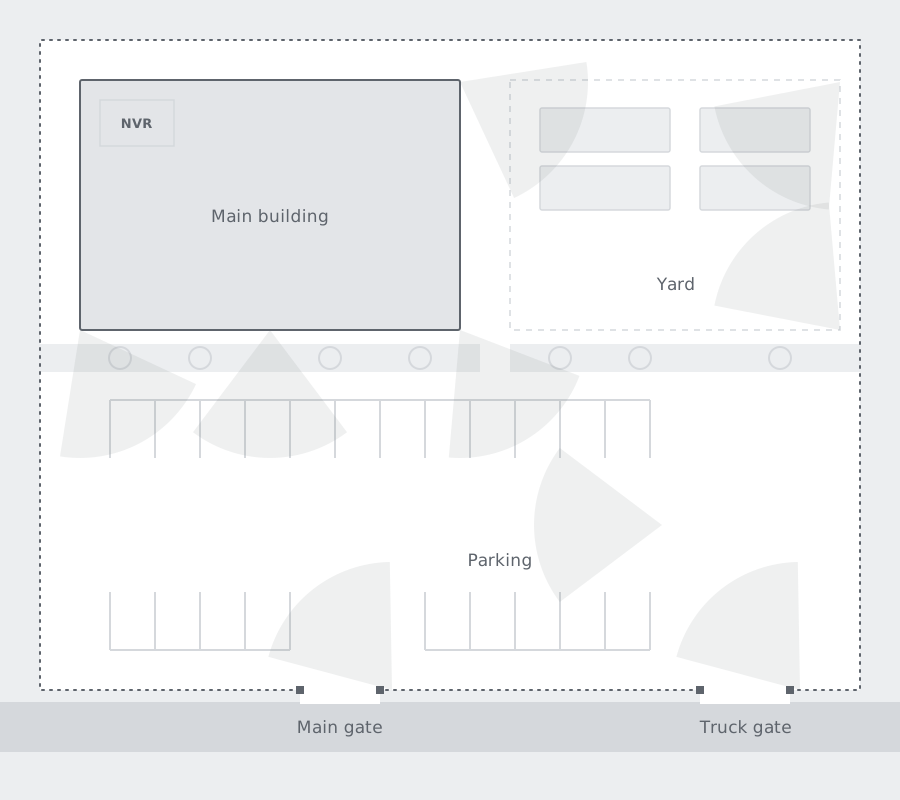






SCANNA finds the existing cameras on your network, checks every stream, and brings them onto RAD AI analytics.
Four steps, one screen. Watch an onboarding run on an example network, or pick a step.


Cameras record around the clock. Someone pulls the footage after something happens.
RAD AI analytics watch every onboarded camera, and SARA Agentic AI handles what they find.
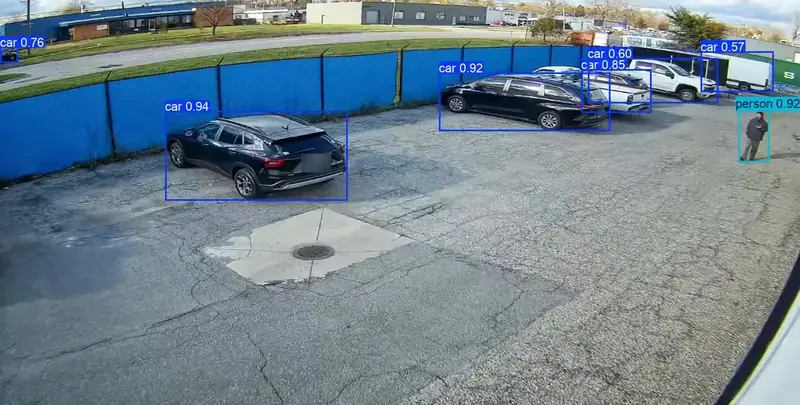
RAD AI analytics on a site camera. Real RAD footage.
Your existing cameras join the same fully agentic system as RAD's own devices. SARA Agentic AI runs the response across every camera and device on site, and RADSOC records every incident.
What joins
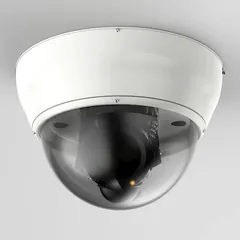
Where a site wants detection and deterrence at the edge.

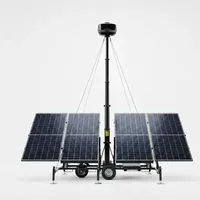
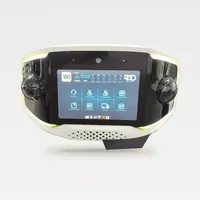

What runs it

Verifies every event and runs the response across every camera and device on site, by your rules.
What it does
In the cloud by default. As a property adds cameras, many customers add an on-site server to take on the processing.
Nothing to add on site for processing. RAD AI analytics run in RAD's cloud.


As camera counts grow, the server offloads video processing. The rest of the workflow stays the same.

Short answers to the questions that come up before a demo.
RAD's authorized partners run SCANNA at install, so their customers' existing cameras join RAD AI analytics and SARA Agentic AI with a clean handoff.
Security and operations leaders see which cameras are ready, across one site or many.
 RTSP OK