One site, four events, one agent running the response.
Cameras see it. RAD devices deter it. SARA Agentic AI verifies, escalates and documents every incident, so nothing stalls between an alert and an outcome.

SIA New Products and Solutions awards
Security incident orchestration is how one system carries an event from the first detection to a closed record, across every device on a site. In physical security, that means verifying what a camera saw, deterring on site, calling the right people and documenting each step.
Most sites stop at the alert. People decide what happens next, and incidents stall.
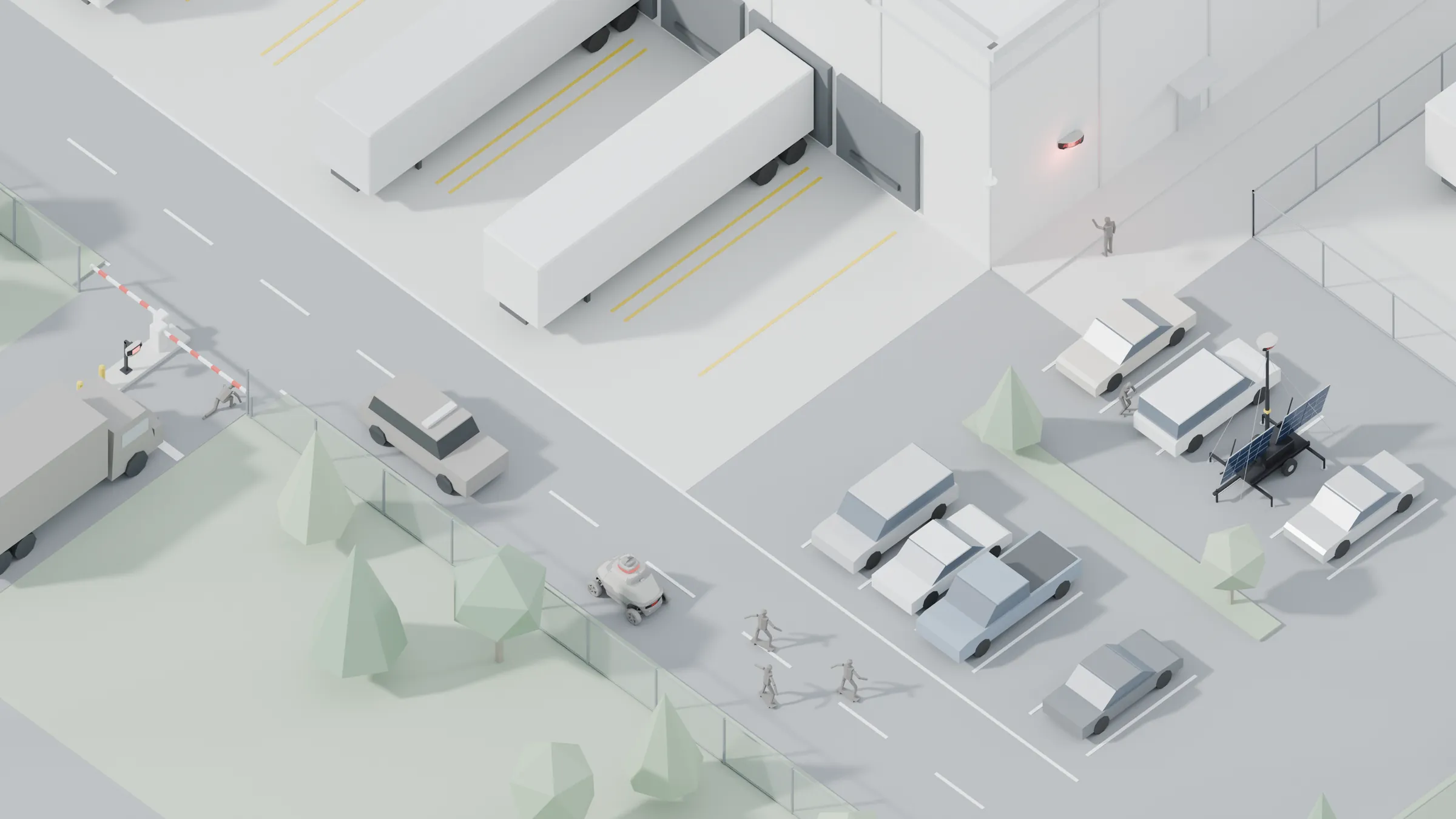
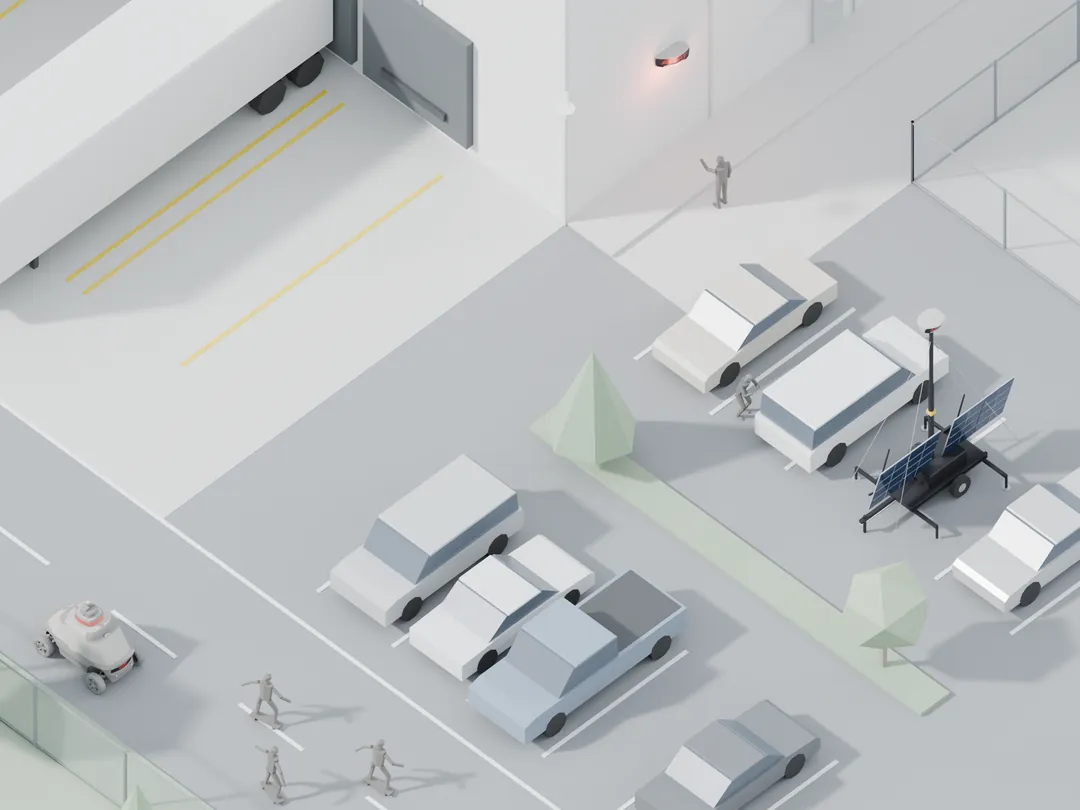
Four events on one site, seconds apart. Each device on site detects and deters in its own zone. Then SARA Agentic AI verifies all four, calls your people and logs every step.
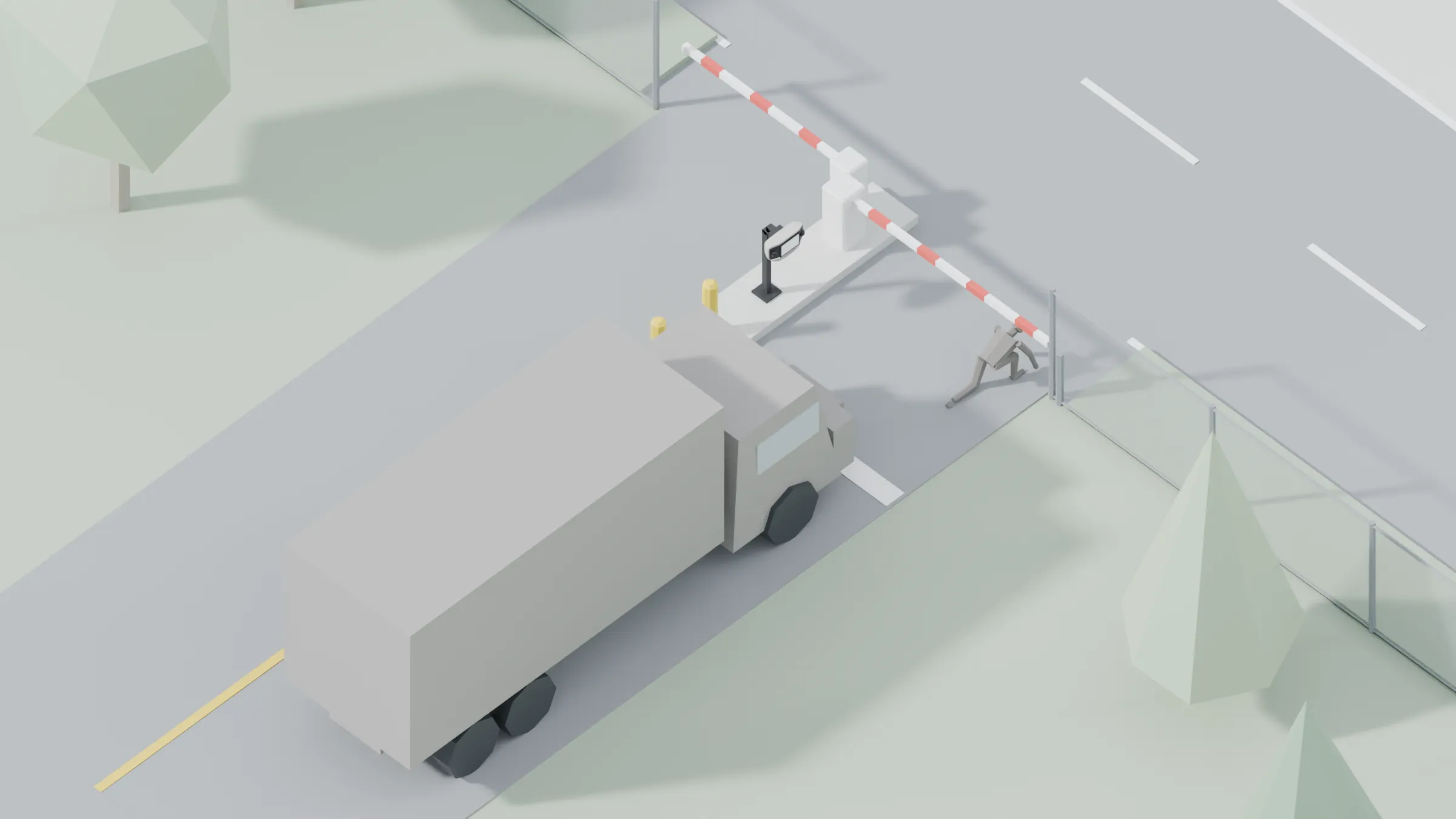
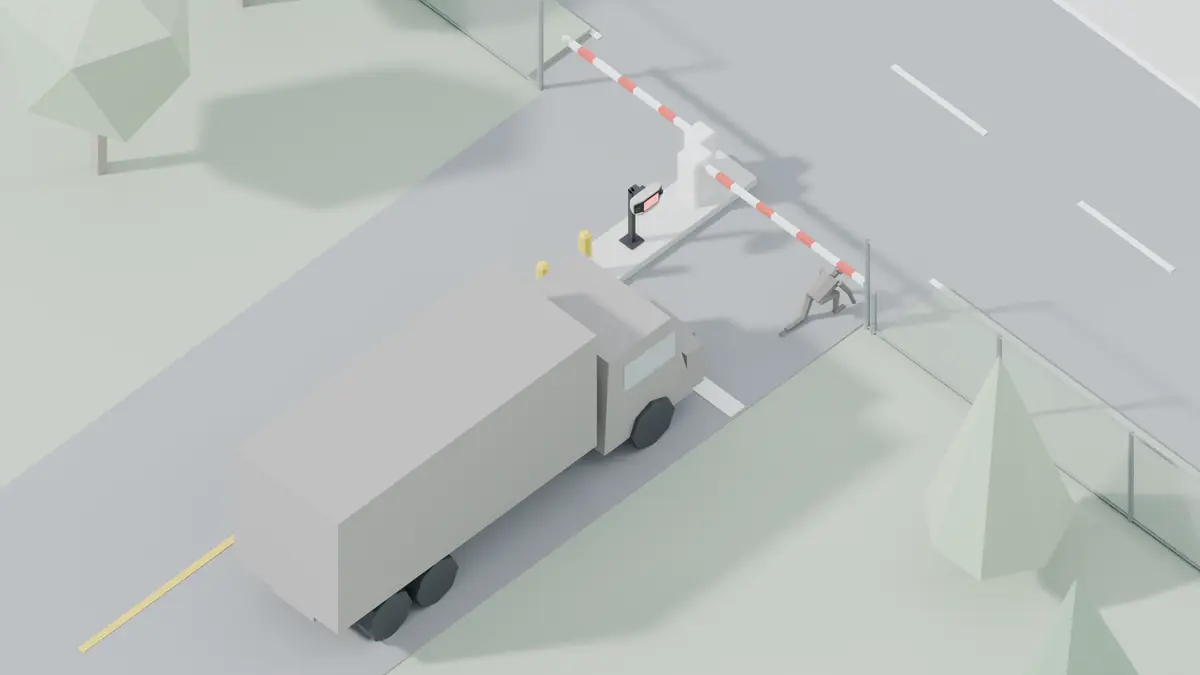
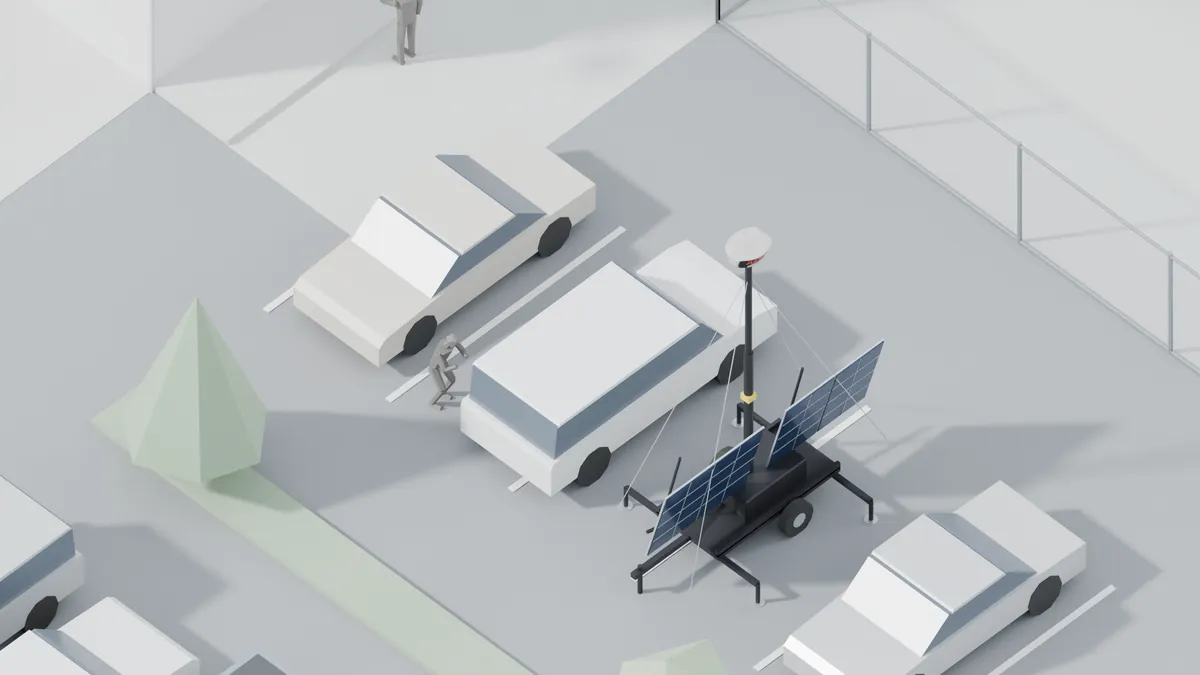
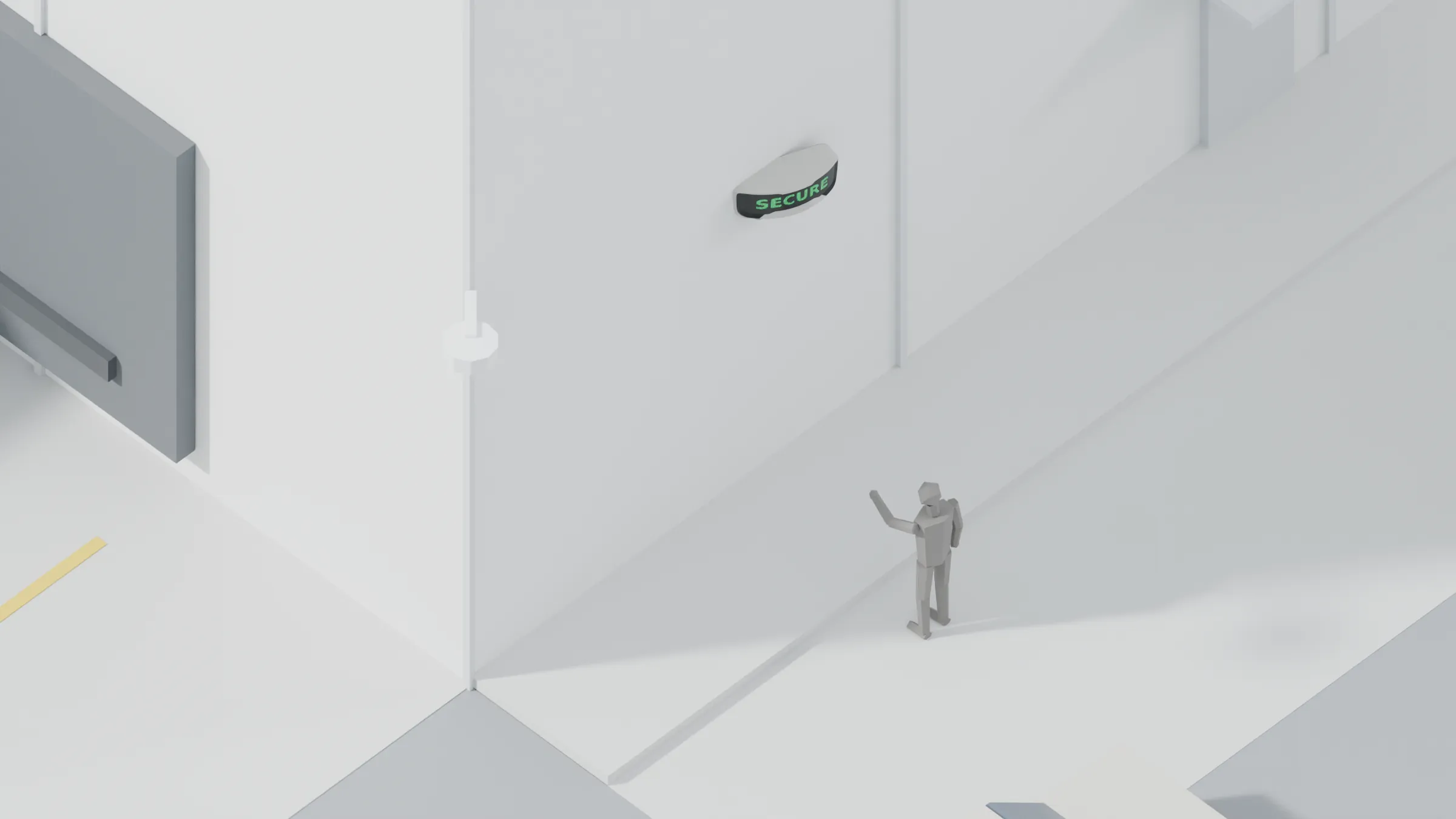

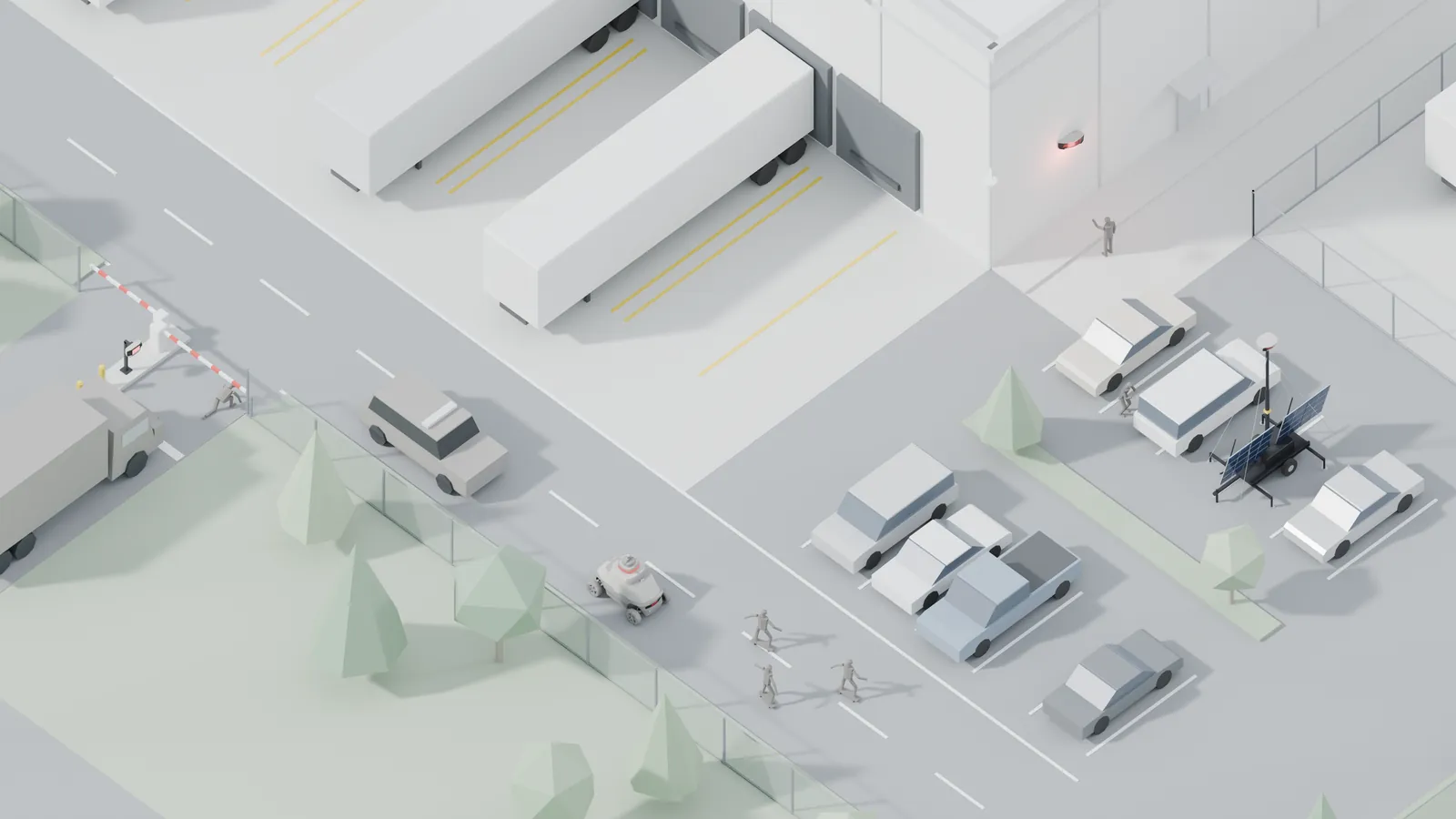
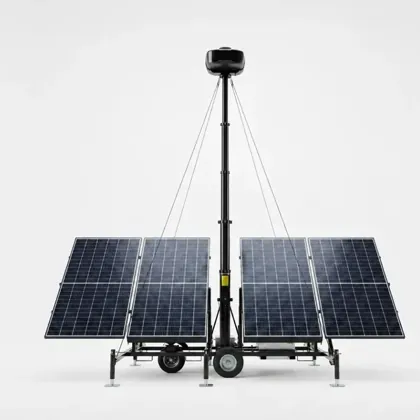
AVA denies a box truck that is not on today's list, detects a person ducking under the barrier arm and plays a talk-down.
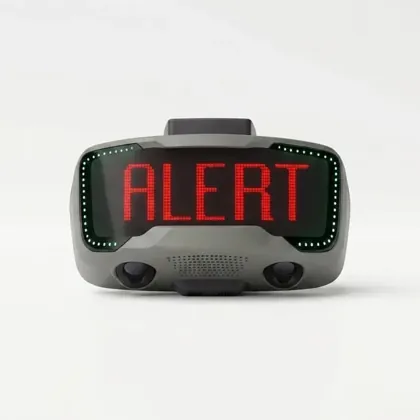
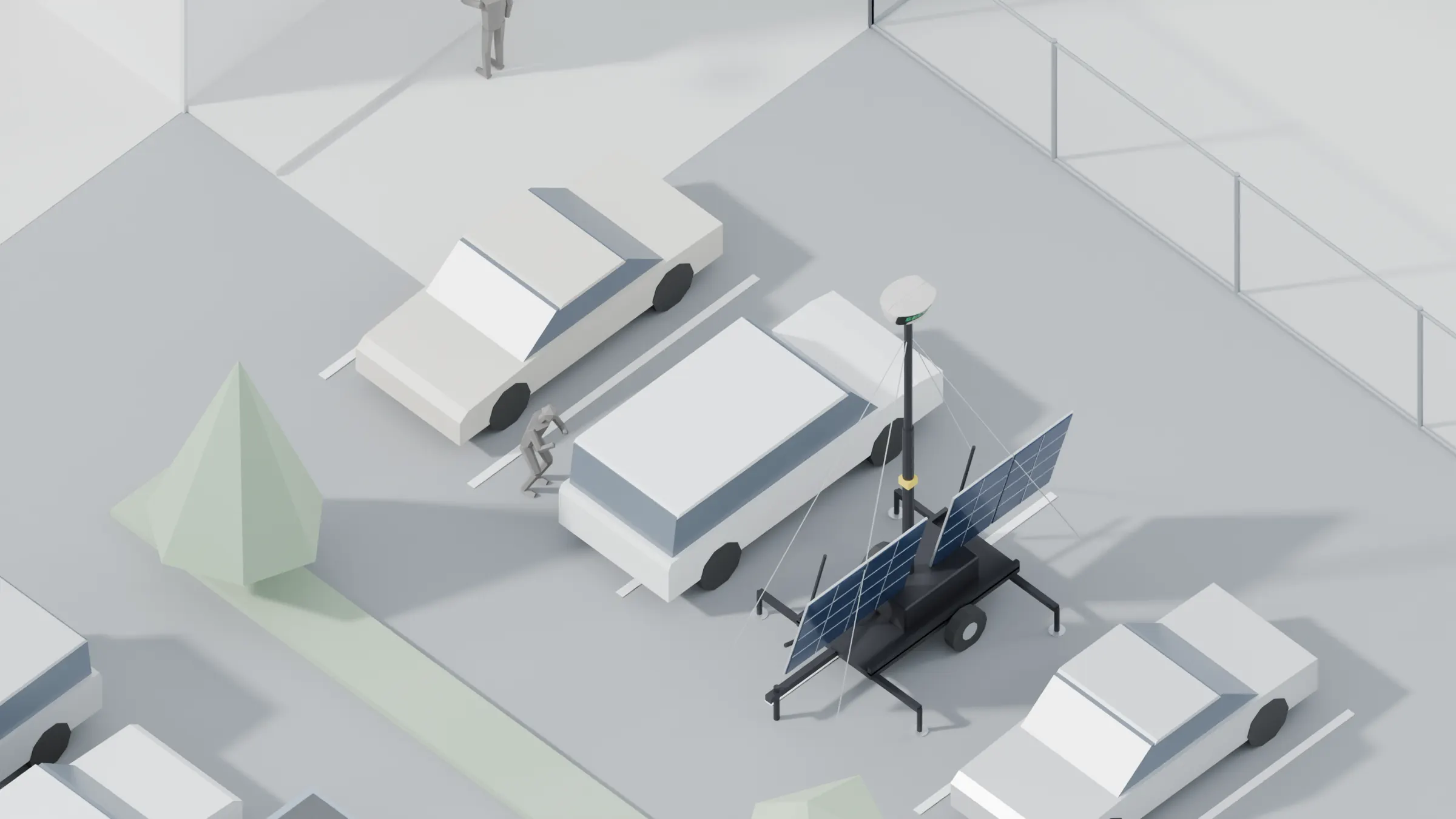
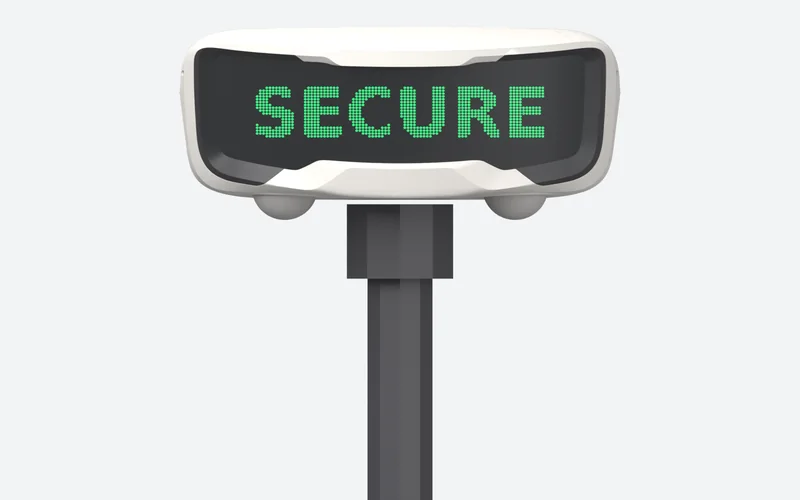
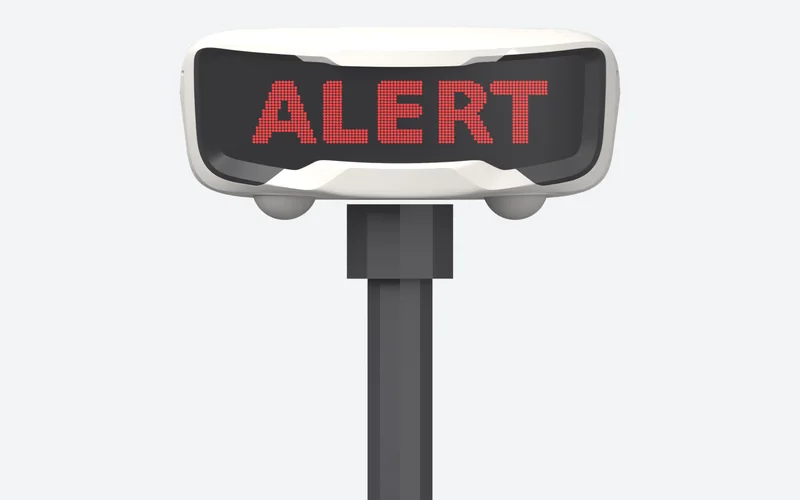
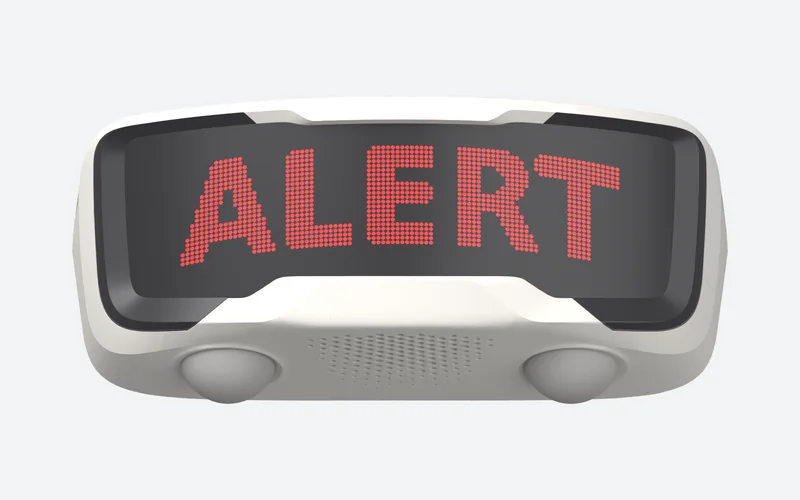
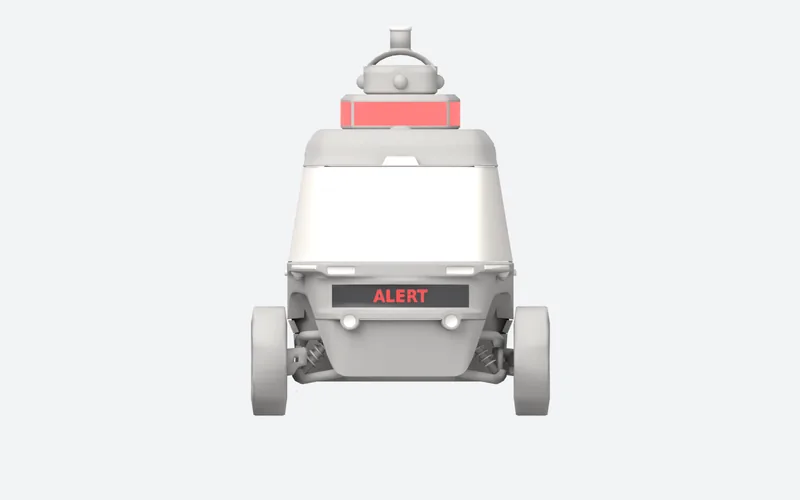
More on AVARIO detects a person lingering between parked cars and warns them off: its display goes to ALERT, glows red and plays a talk-down.
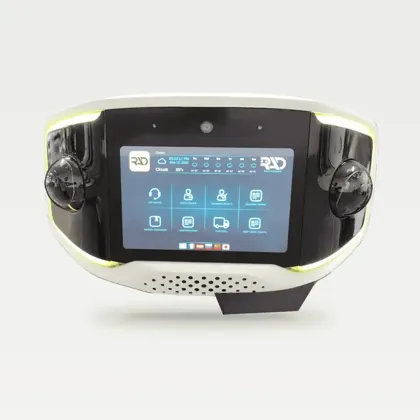
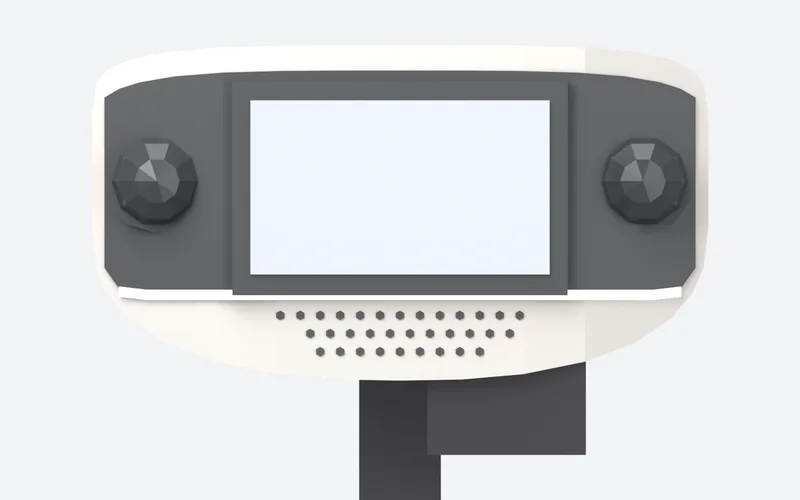
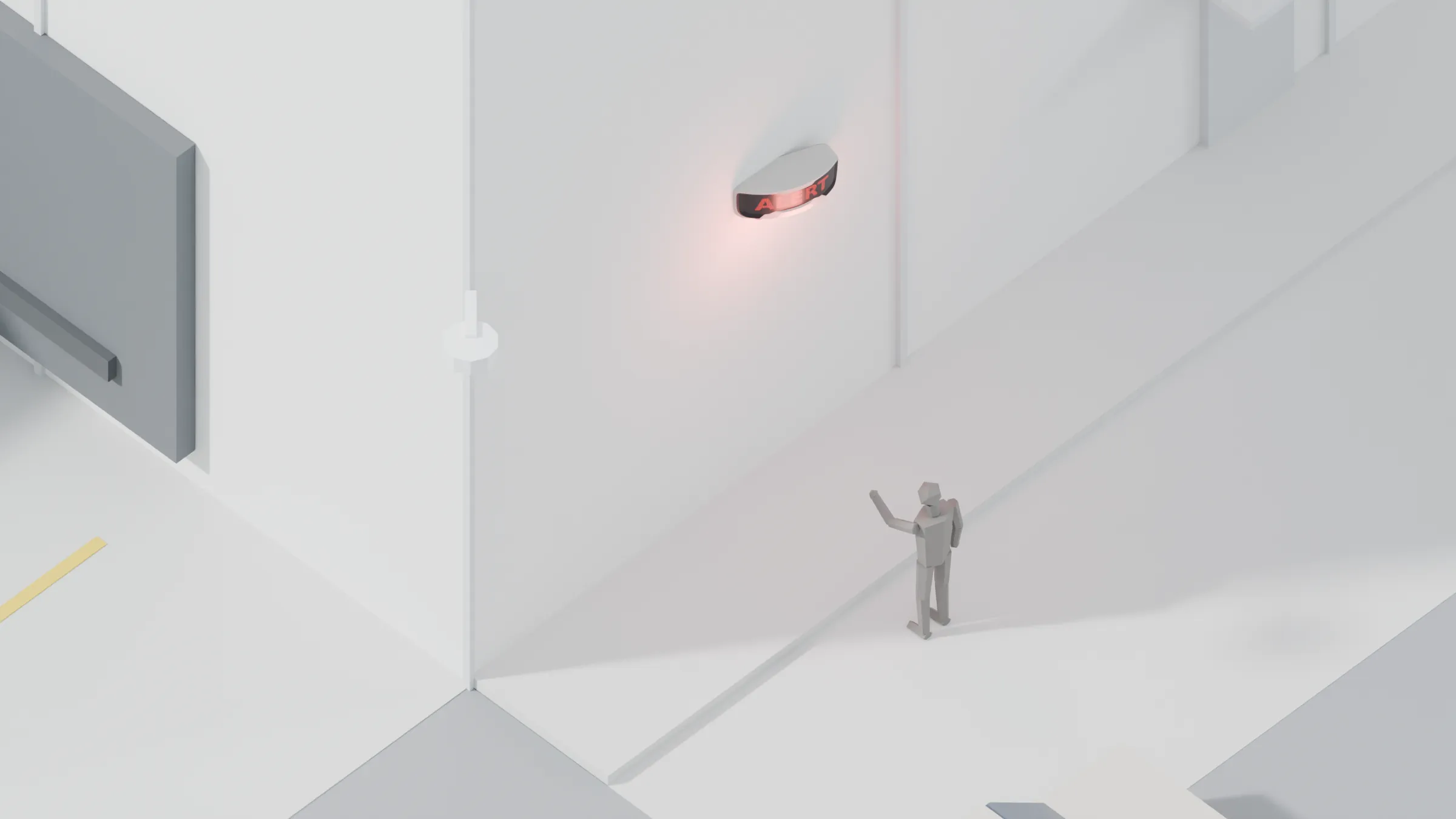
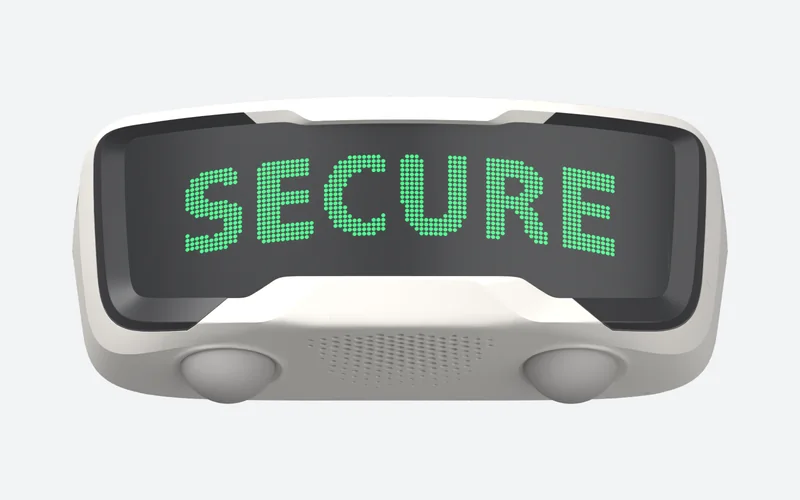
More on RIOYour existing camera picks up a person at the building wall. ROSA detects them too, goes to ALERT with a red glow and plays a talk-down.
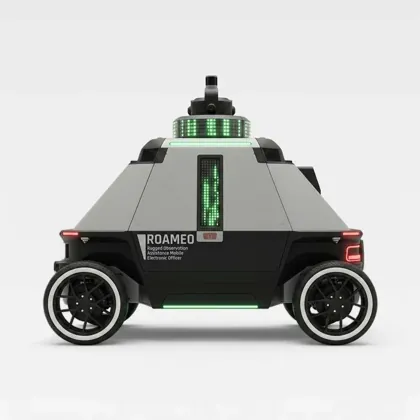
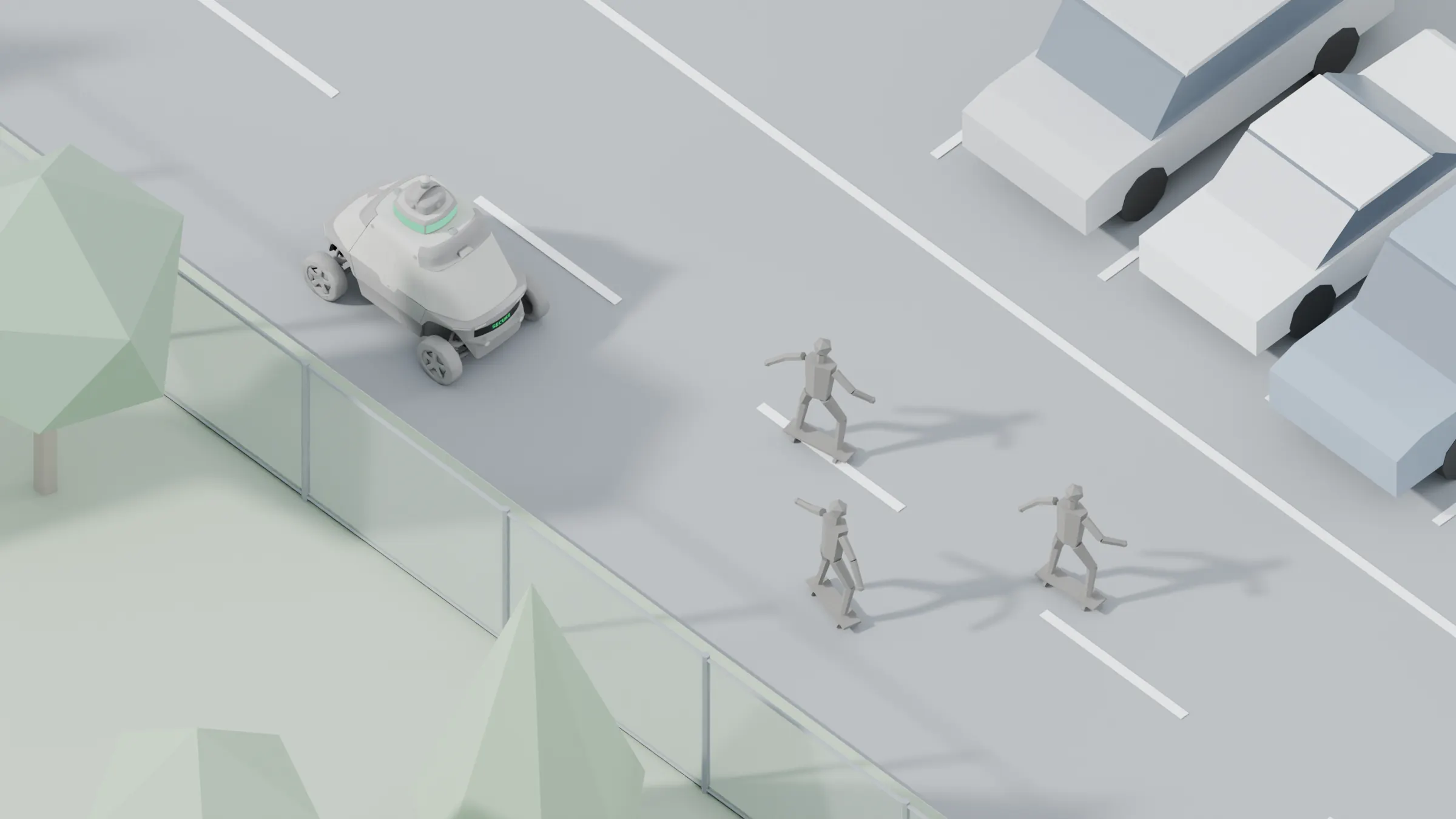
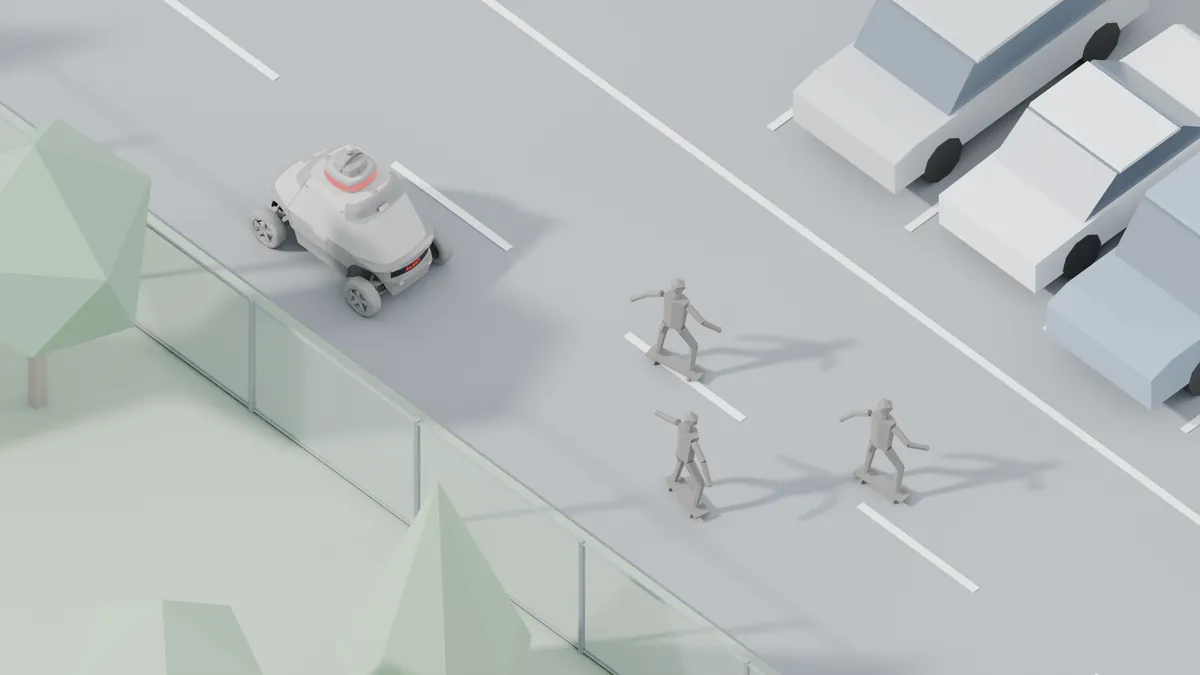
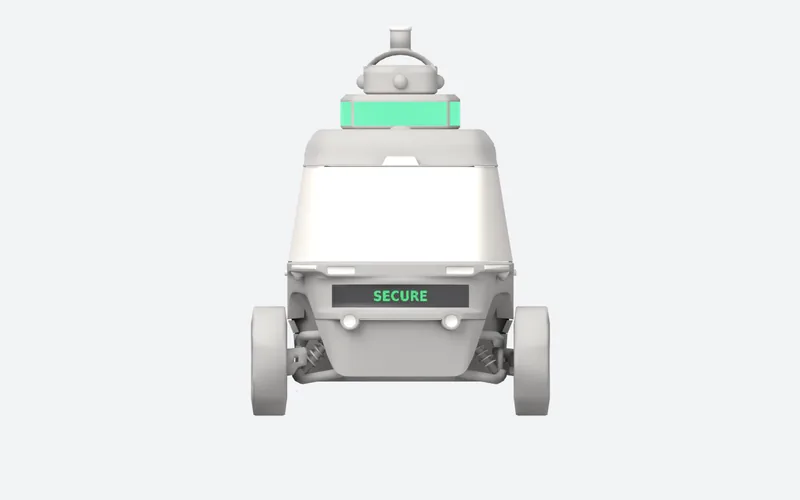
More on ROSAROAMEO, on patrol, detects three skateboarders on the drive lane and tells them to leave the site.
More on ROAMEOSARA verifies all four events, confirms the talk-downs, calls three site contacts in parallel, sends a security officer to the building and logs every step.
More on SARATimes are elapsed from the first event and illustrative. Detection boxes are a concept view; real analytics frames are on AI analytics. The SARA panel is rebuilt from RADSOC screens.
Four layers of AI on one site. SARA sits on top, and its line runs down through every device below it.
Detection that moves
Detect and deter on the device
The cameras you already own
Edge AI devices keep detecting and deterring if a site loses connection. Escalation and RADSOC catch up when it reconnects. See AI analytics
Escalation mode decides whether SARA calls your contacts. You switch it, per site.
The SARA schedule screen in RADSOC, rebuilt for legibility.
RAD fits the systems your site and your monitoring partner already run. No rip and replace.
ROSA and RIO connect natively to Immix CS and GuardForce. SARA works in parallel with operators and hands them events with the video attached.
SARA checks camera health and flags offline, blocked or impaired cameras into the Circadian Risk platform and the site risk score.
Existing IP cameras join RAD Cloud AI through SCANNA and sit next to RAD devices in the same incident.
Want to integrate with RAD? Talk to our partner team.
Short answers to the questions that come up before a demo.
Dealers and integrators install RAD devices, onboard existing cameras and set up SARA's rules for each site.